
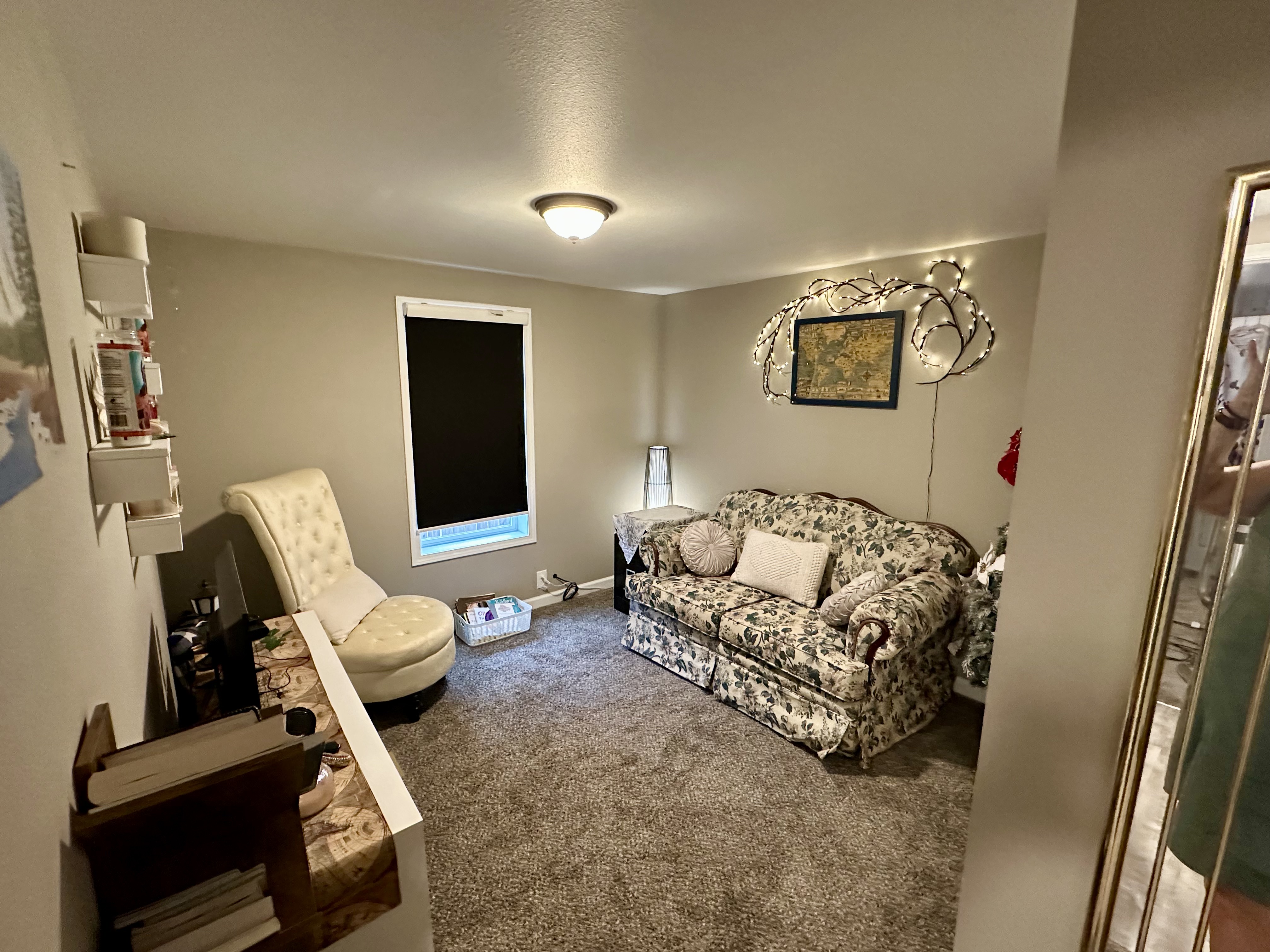
Major life changes do not always require a new address.
Children leave home. Sometimes they come back. Retirement changes daily rhythms. A parent moves in. A marriage ends. A hobby grows into something that suddenly needs real space.
And sometimes the house that once worked beautifully begins to feel slightly out of step with the life happening inside it. That doesn’t necessarily mean the house is wrong. It may simply mean the way you’re using it hasn’t caught up yet.
Look at the room you have now
An empty bedroom does not have to remain a monument to what it used to be. Neither does a large closet, a formal dining room nobody uses, or a home office built around a job you no longer have.
Before deciding what a room should become, ask a simpler question:
What needs to happen in my life now that didn’t need to happen here before?
Maybe you need a place to paint. A quiet room to read. A guest space that actually works for adult children coming home. A place to exercise without moving equipment out of the way every time. A desk that no longer shares space with the dining table.
The answer should begin with how you live—not with what the room has always been called.
Don’t rush to fill the space
Transitions create a strange urge to fix things quickly. A room becomes empty and suddenly we’re shopping for a daybed, shelves, a desk or storage before we’ve decided what the room is actually for.
Sometimes the better move is to leave it alone for a minute. Remove what no longer belongs. Live with the open space. Notice what keeps trying to happen there.
The new use often reveals itself more clearly when you’re not forcing an answer.
Work with what you already have
Reimagining a room doesn’t always require buying something new. Furniture can move. Storage can change purpose. A bookcase may work better somewhere else. A bedroom dresser might become craft storage. A closet can hold less clothing and more of the things that now matter to you.
The goal isn’t novelty.
It’s alignment.
When we’re reconsidering a space, these questions are usually more useful than asking what we should buy:
- What do I actually want to do here?
- How often will I use the space?
- What needs to stay?
- What can leave?
- What already exists elsewhere in the house that could work better here?
- What would make this room easier to use next week—not just prettier today?
That last question can prevent a lot of unnecessary spending.
Let the room change without erasing its history
This part can be harder than it sounds. A child’s former bedroom may still feel like their room long after they have built a home of their own. A spouse’s side of a closet can carry meaning after a divorce or loss. A room associated with work, caregiving or a season of family life may hold more than furniture.
Reimagining doesn’t require pretending that history didn’t happen. It simply allows the room to serve the life that is happening now.
Sometimes that means keeping a few things that still matter and letting the rest of the space move forward.
A home should be allowed to evolve
We often think of a finished home as one that has finally been figured out. I’m not sure that’s realistic.
Homes have to keep responding to the people living in them. What worked at 35 may not work at 55. What worked with three children at home may make very little sense when they are grown. What worked before retirement, illness, divorce or a new passion may need to be reconsidered.
That’s not failure. That’s life changing shape.
And sometimes the most useful thing we can do is give the house permission to change with it.